Timeline: September - December 2023
Skills: User Research, Sketching,
Prototyping, Experience Design,
User Testing, 3D Modeling,
Assessibility & Inclusion
Tools: Rhino3D, Photoshop, Miro
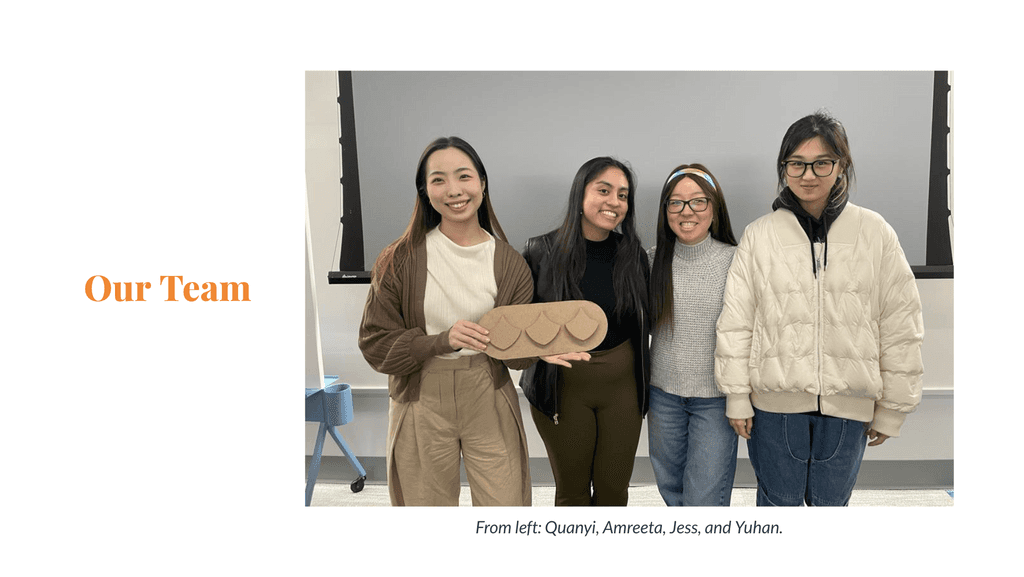
Team: Yuhan Gao, Amreeta Verma,
Quanyi Wang, Ruoyang Yu
Timeline: September -
December 2023
Skills: User Research, Sketching,
Prototyping, Experience
Design, User Testing, 3D
Modeling, Accessibility
& Inclusion
Tools: Rhino3D, Photoshop, Miro
Team: Yuhan Gao, Amreeta Verma,
Quanyi Wang, Ruoyang Yu
Timeline: September -
December 2023
Skills: User Research, Sketching,
Prototyping, Experience
Design, User Testing, 3D
Modeling, Accessibility
& Inclusion
Tools: Rhino3D, Photoshop, Miro
Team: Yuhan Gao, Amreeta Verma,
Quanyi Wang, Ruoyang Yu
SUMMARY
SUMMARY
SUMMARY
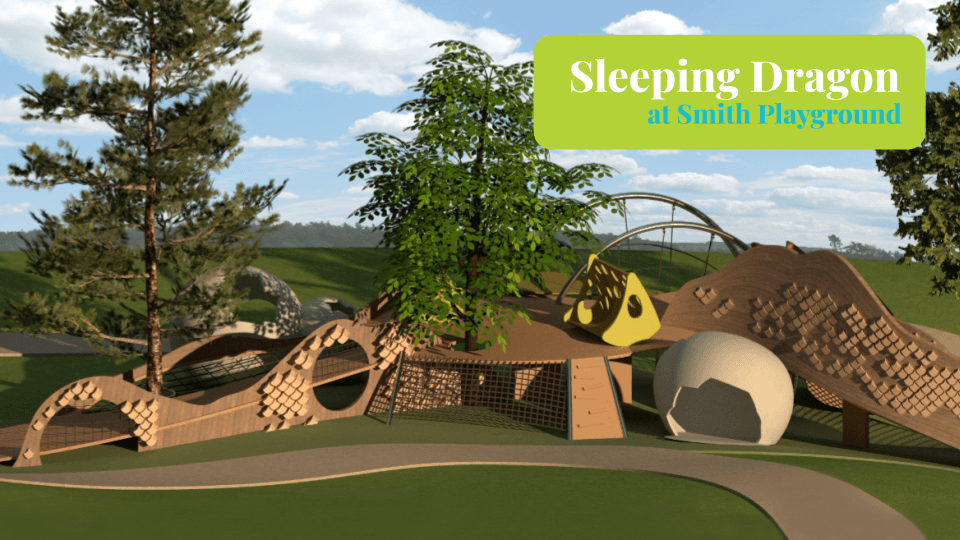
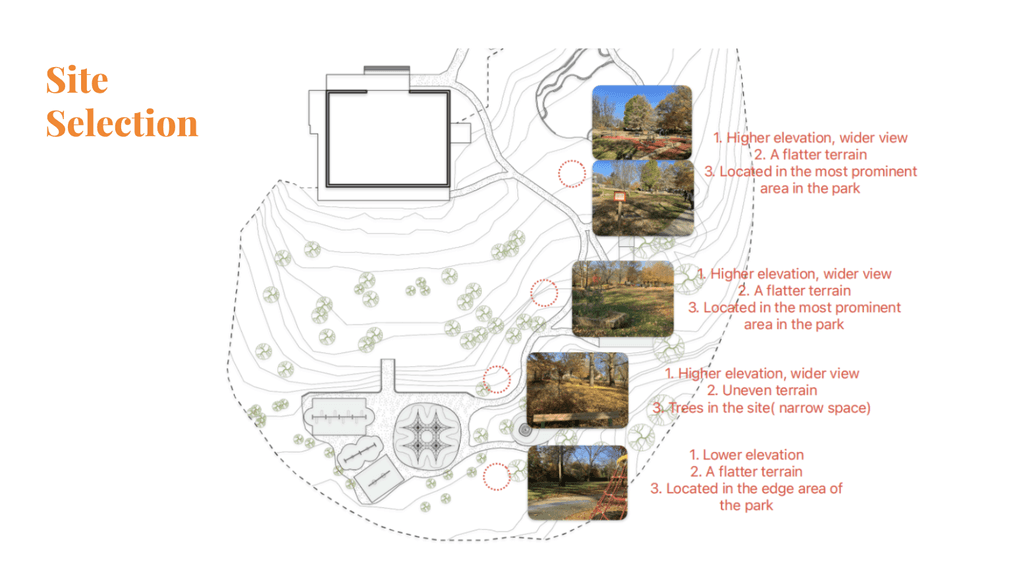
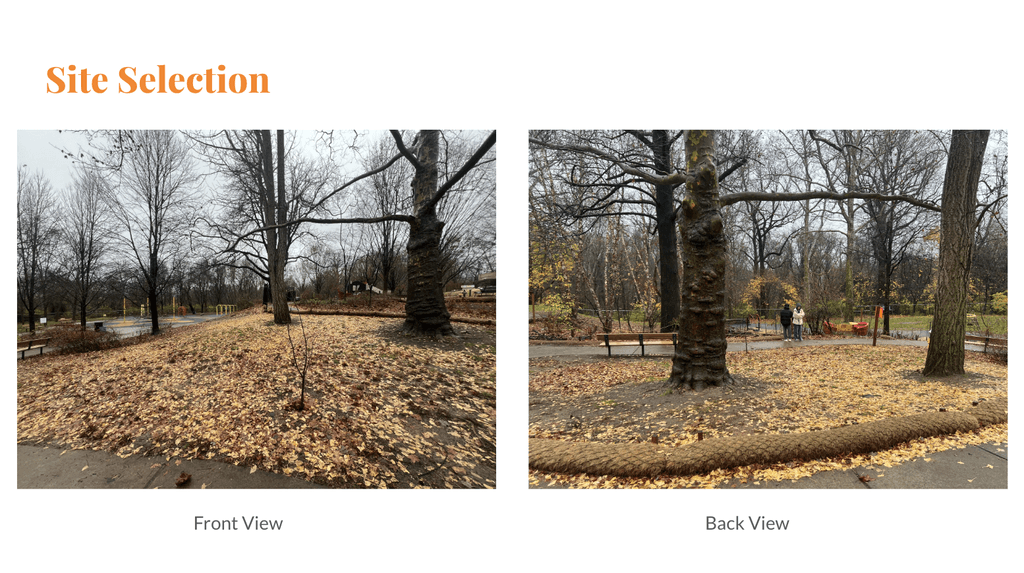
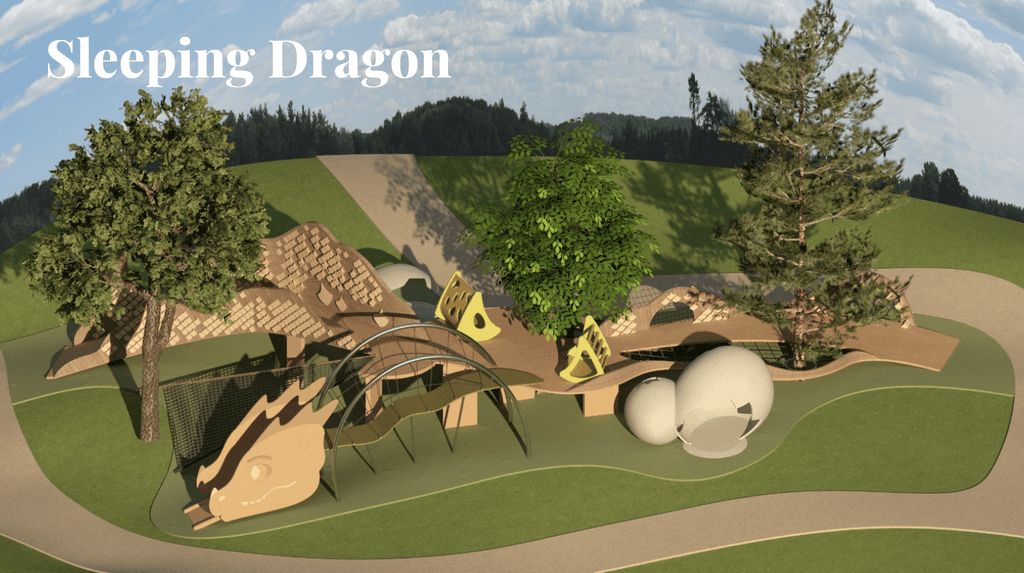
The Sleeping Dragon is an inclusive and accessible playground experience for kids of all different physical and cognitive abilities. We imagined a playspace at Smith Playground that teaches children autonomy and decision-making through low-risk, rewarding, and adventurous play. This project was completed in collaboration with Smith Memorial Playground and Bache-Martin School.
The Sleeping Dragon is an inclusive and accessible playground experience for kids of all different physical and cognitive abilities. We imagined a playspace at Smith Playground that teaches children autonomy and decision-making through low-risk, rewarding, and adventurous play. This project was completed in collaboration with Smith Memorial Playground and Bache-Martin School.
PROBLEM STATEMENT
PROBLEM STATEMENT
PROBLEM
STATEMENT
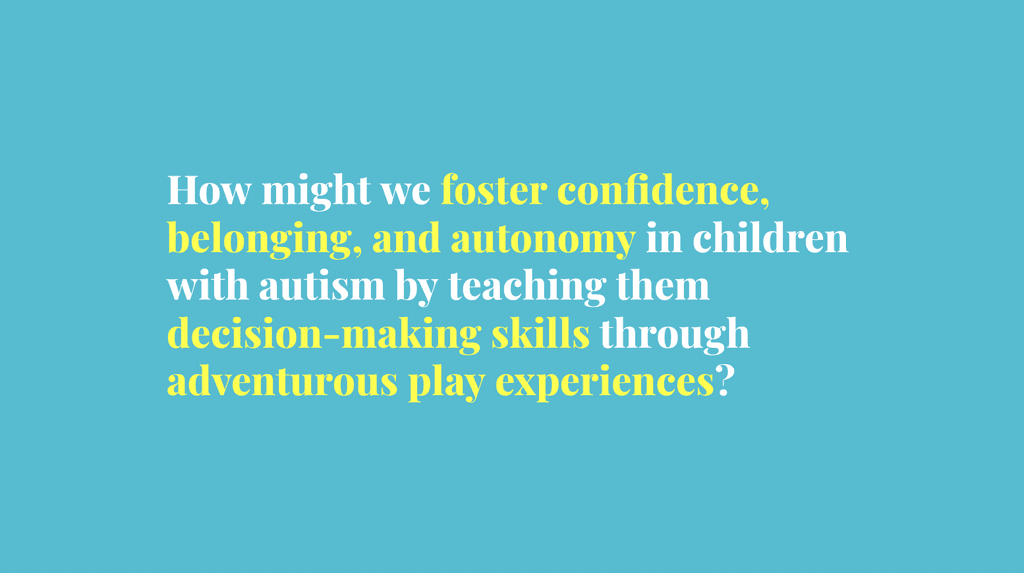
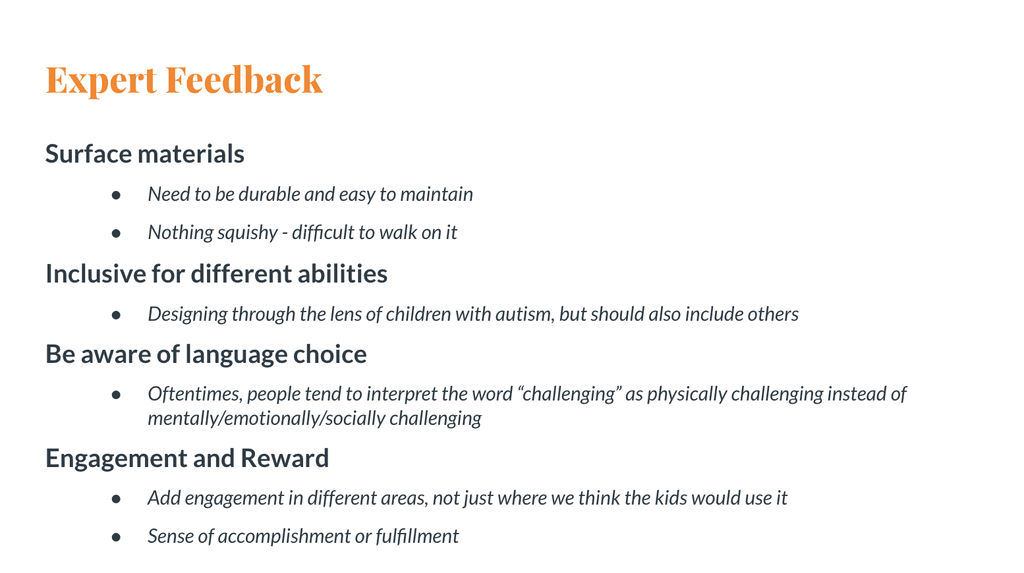
How might we foster confidence, belonging, and autonomy in children with autism by teaching them decision-making skills through adventurous play experiences?
How might we foster confidence, belonging, and autonomy in children with autism by teaching them decision-making skills through adventurous play experiences?
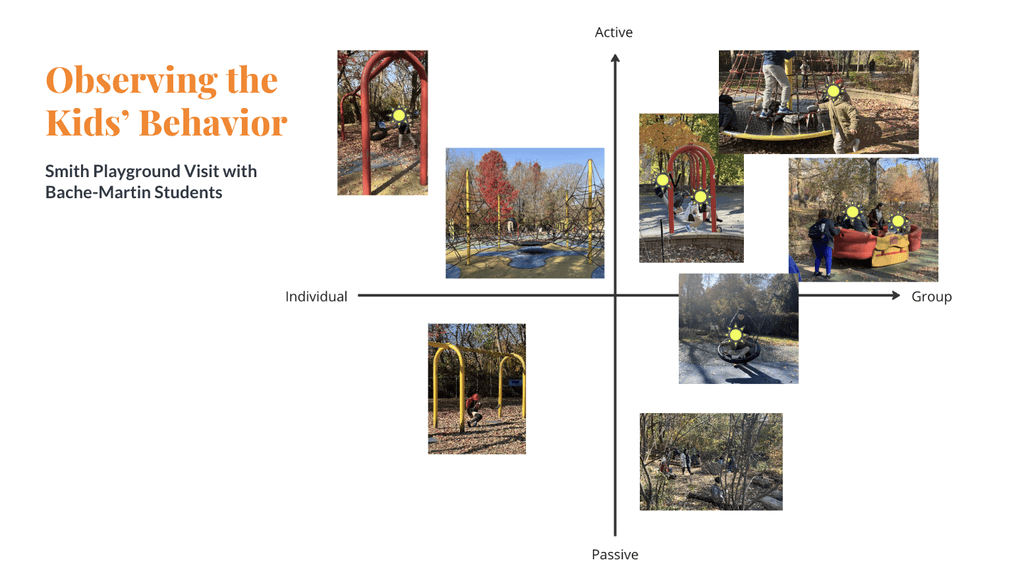
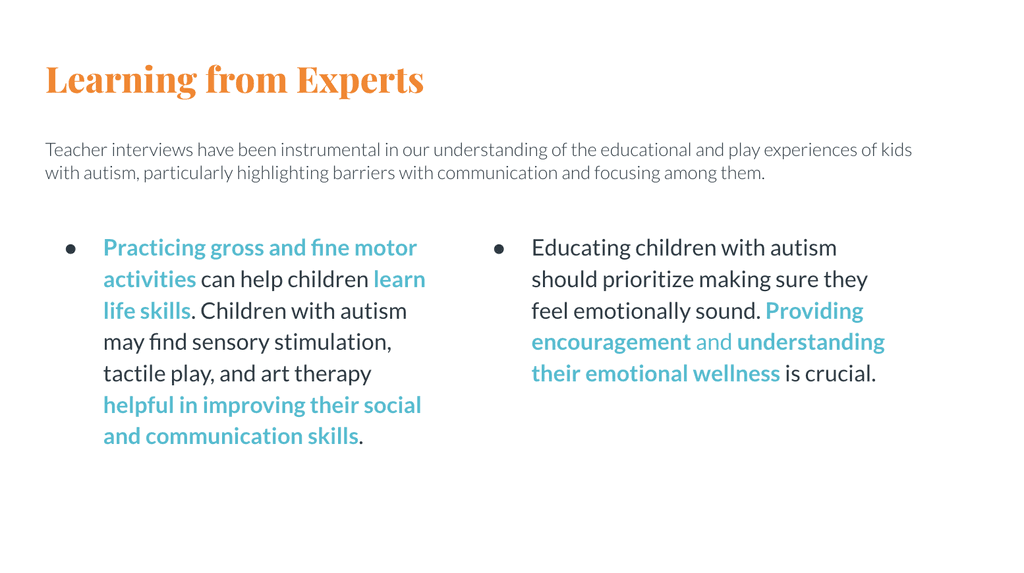
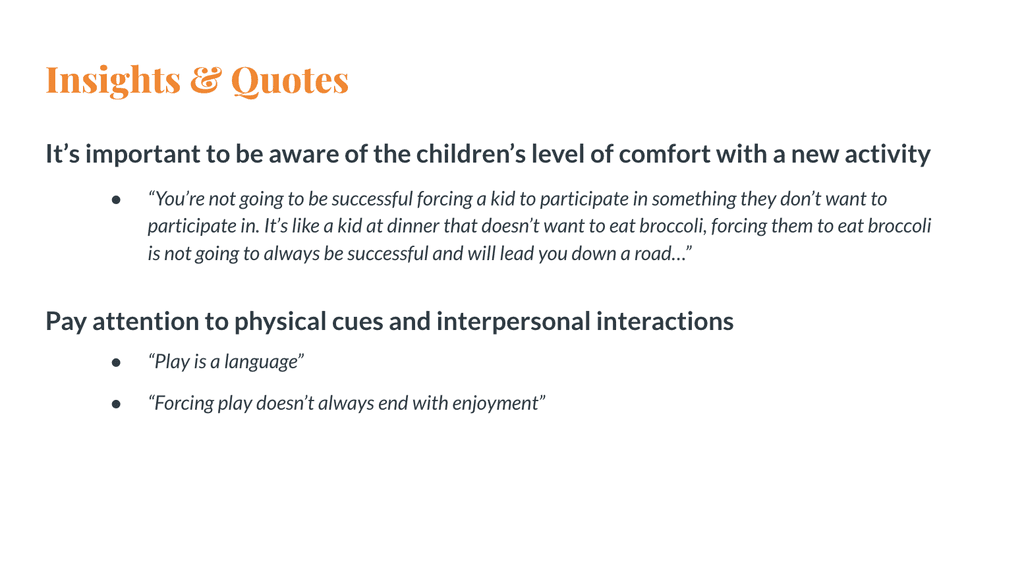
Play is a cricial part of a child's development - physically, cognitively, and socially. Playgrounds are a key way for kids to be introduced to different types of play and they need to cater to kids with all different abilities, interests, and personalities. Kids with autism may experience play differently, including sensory preferences and how they engage with others.
Play is a cricial part of a child's development - physically, cognitively, and socially. Playgrounds are a key way for kids to be introduced to different types of play and they need to cater to kids with all different abilities, interests, and personalities. Kids with autism may experience play differently, including sensory preferences and how they engage with others.
SOLUTION
SOLUTION
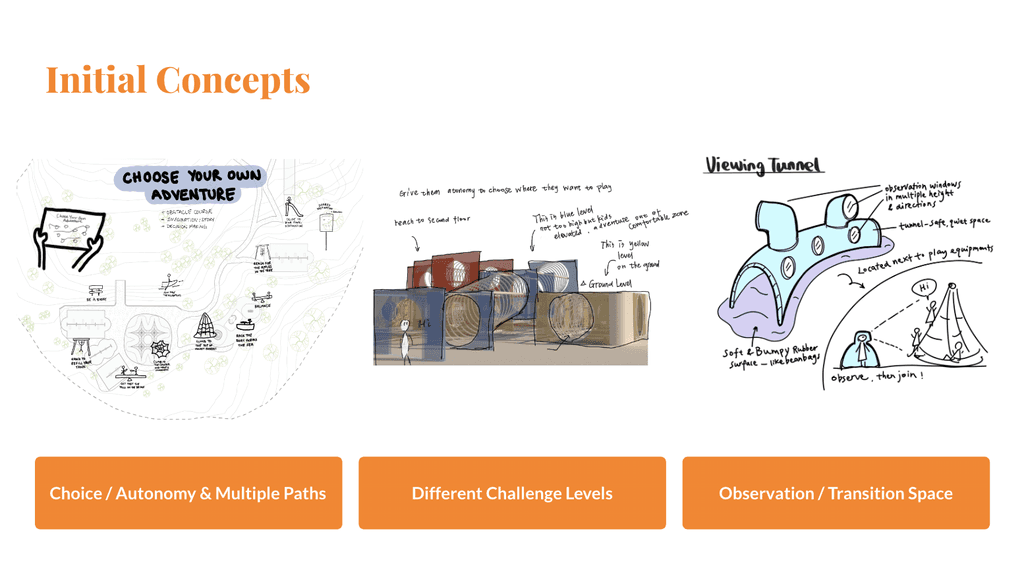
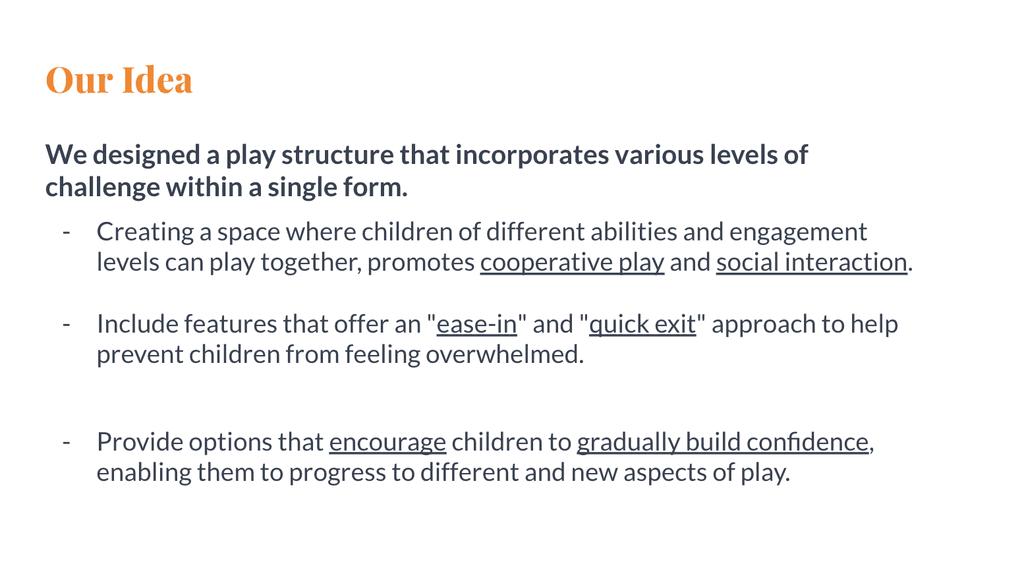
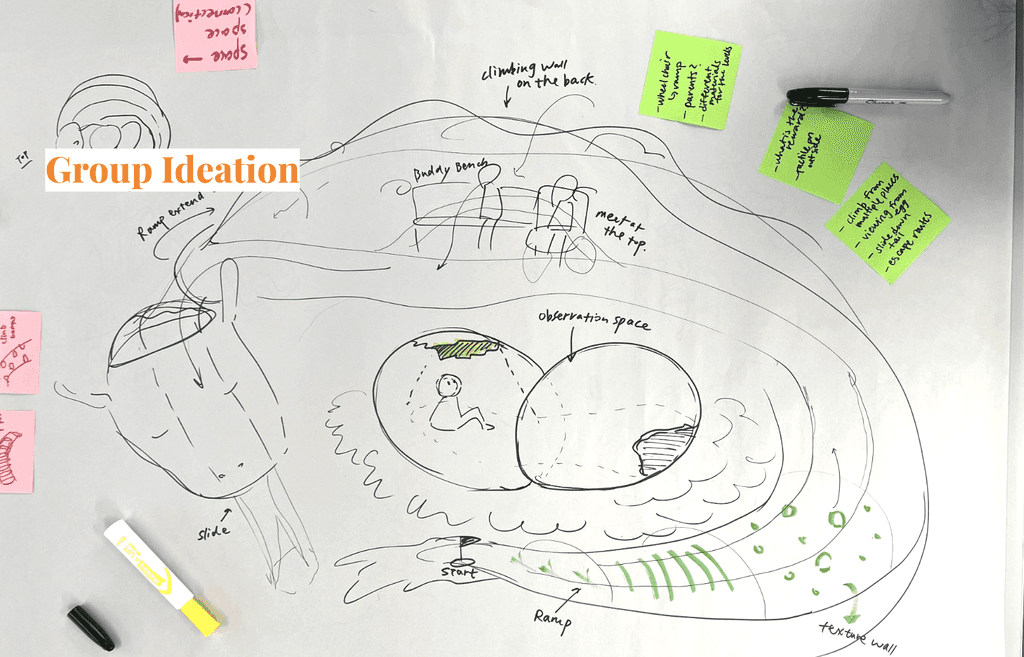
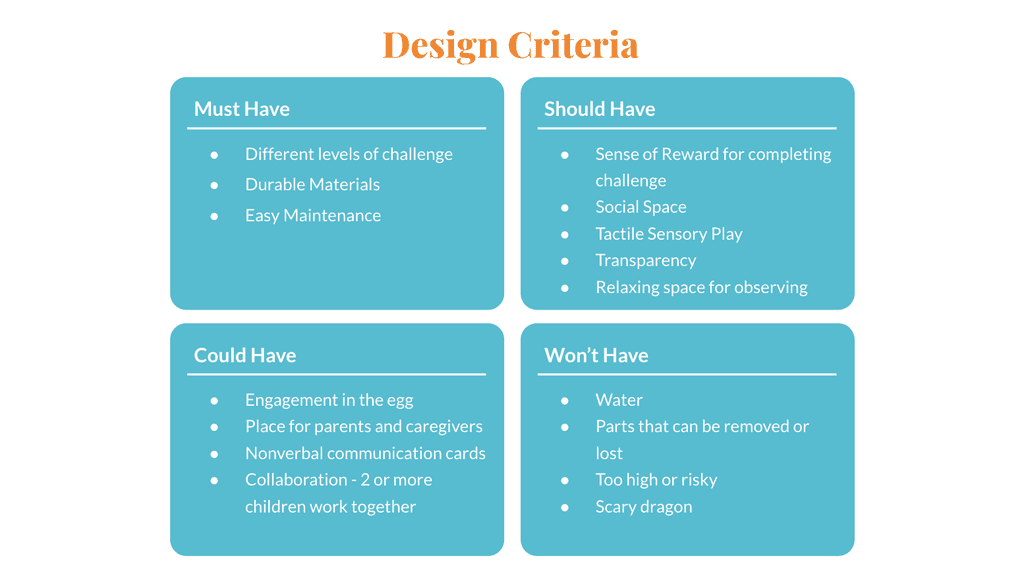
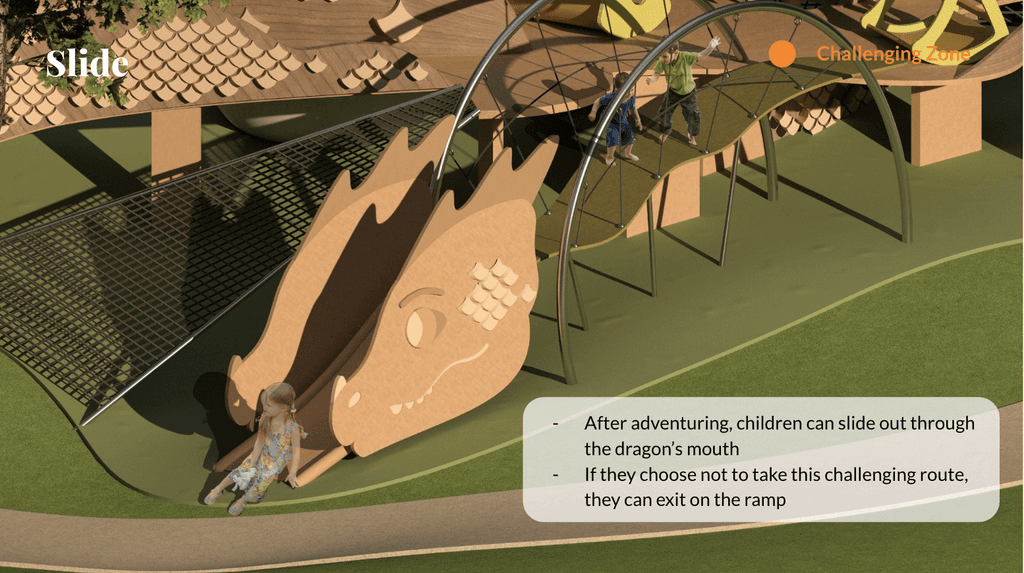
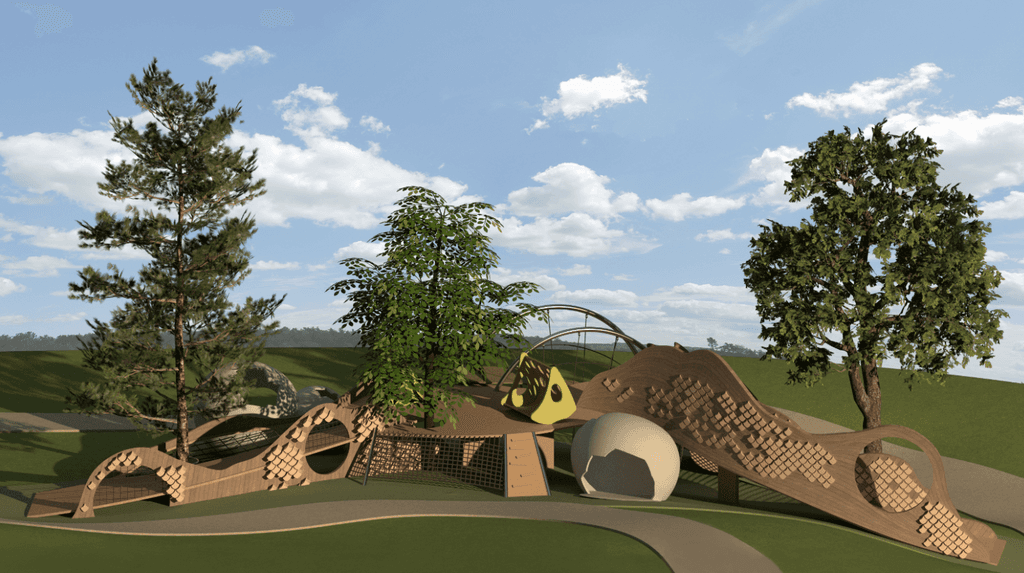
A playspace with a recognizable form (concept of a dragon), while also being approachable by not making the dragon too literal.
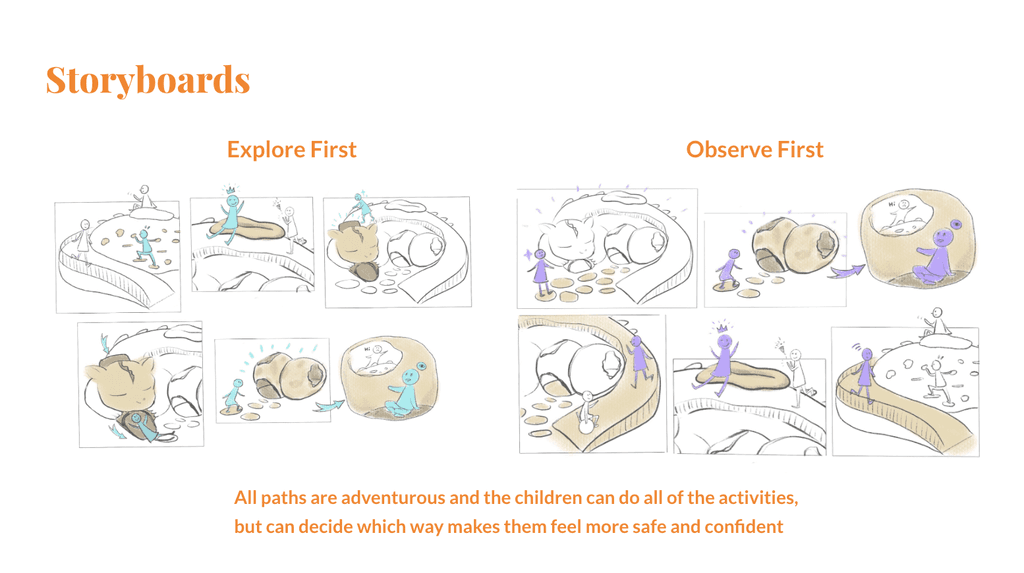
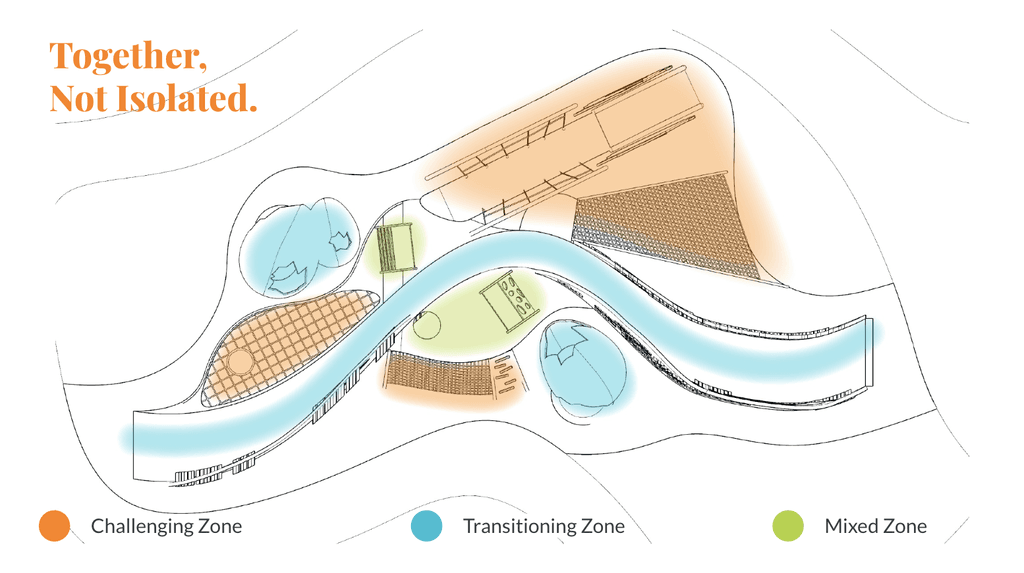
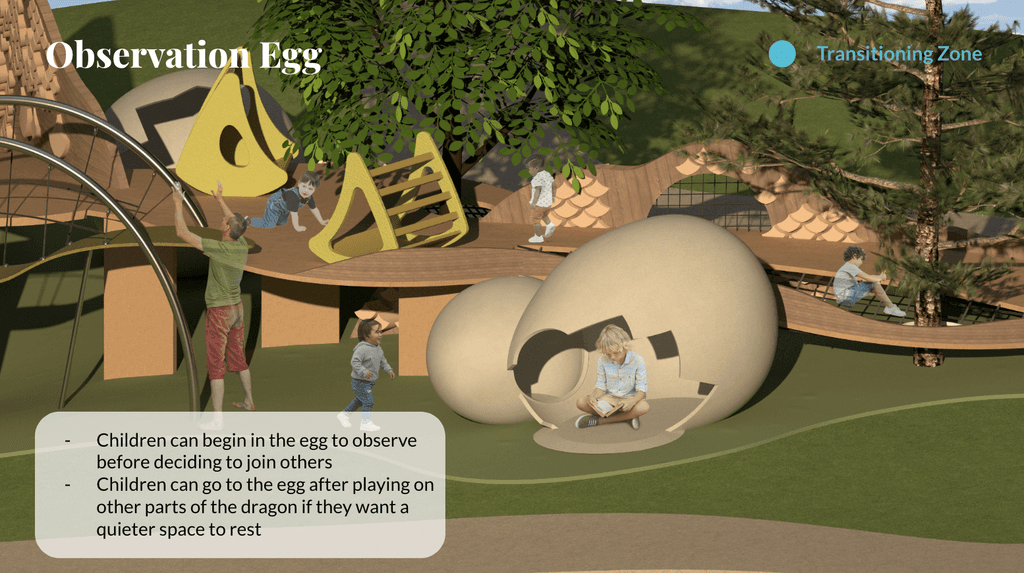
"Ease in" and "quick exit" points that allow children to observe-first then decide when to join as well as decide when they want to exit.
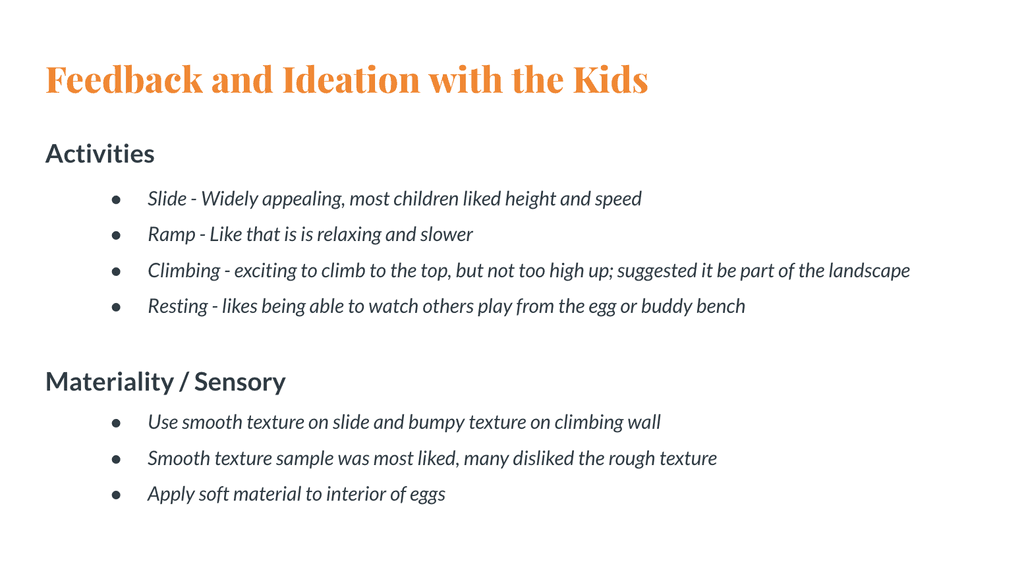
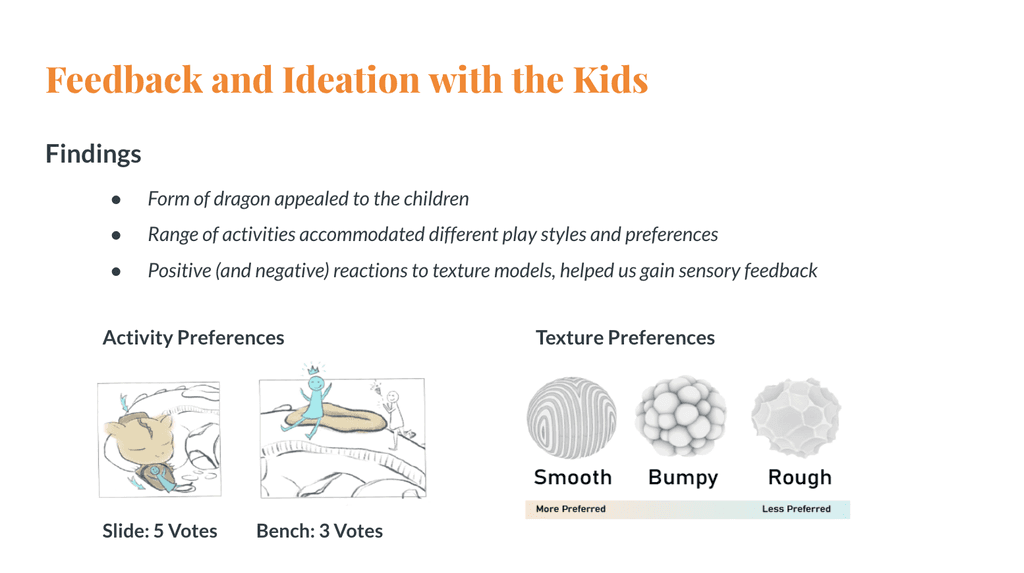
Offering different activities and challenge levels.
Slide
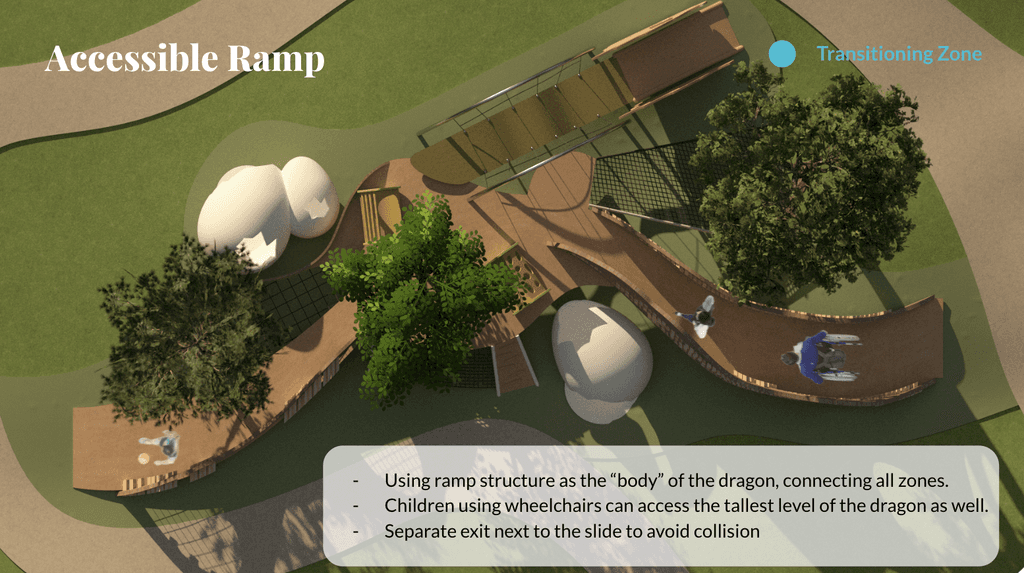
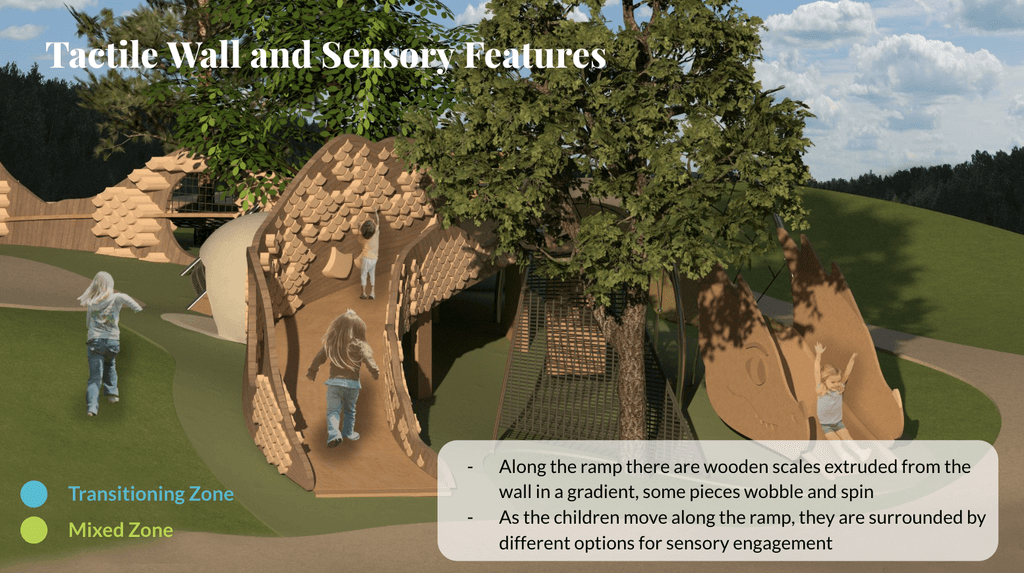
Ramp
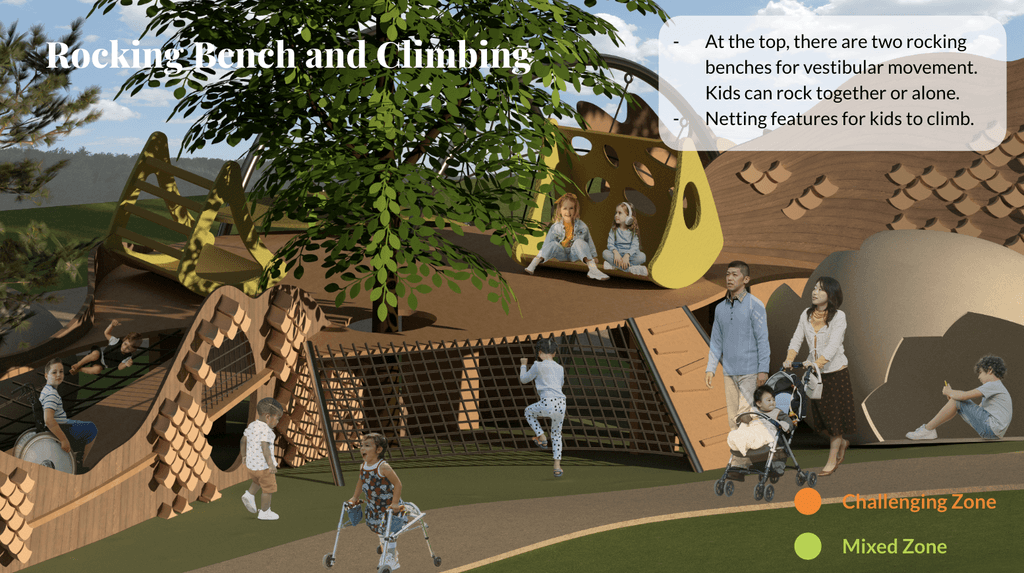
Climbing Net
Rocking Benches
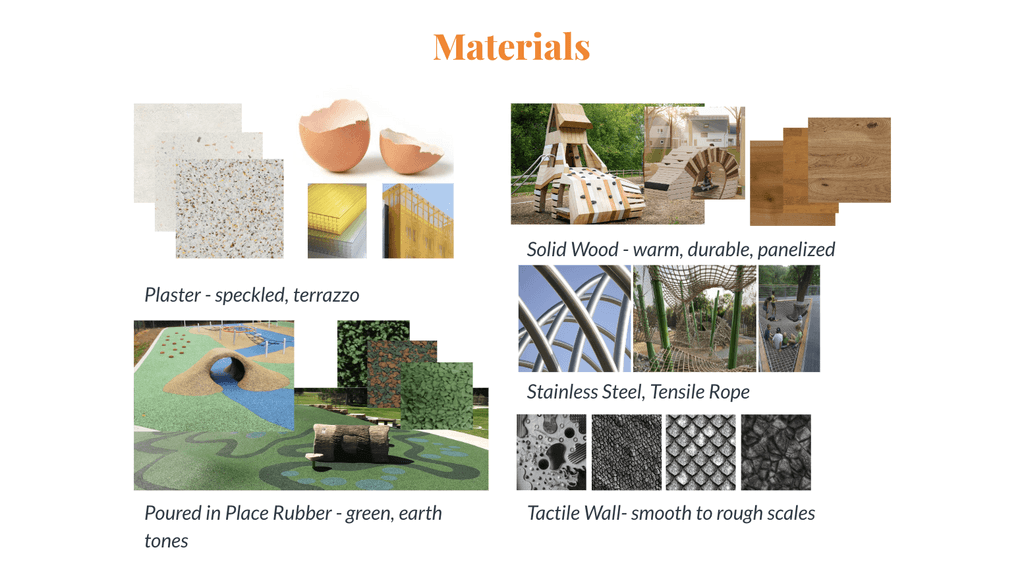
Tactile Wall
Dragon's egg for rest/observation
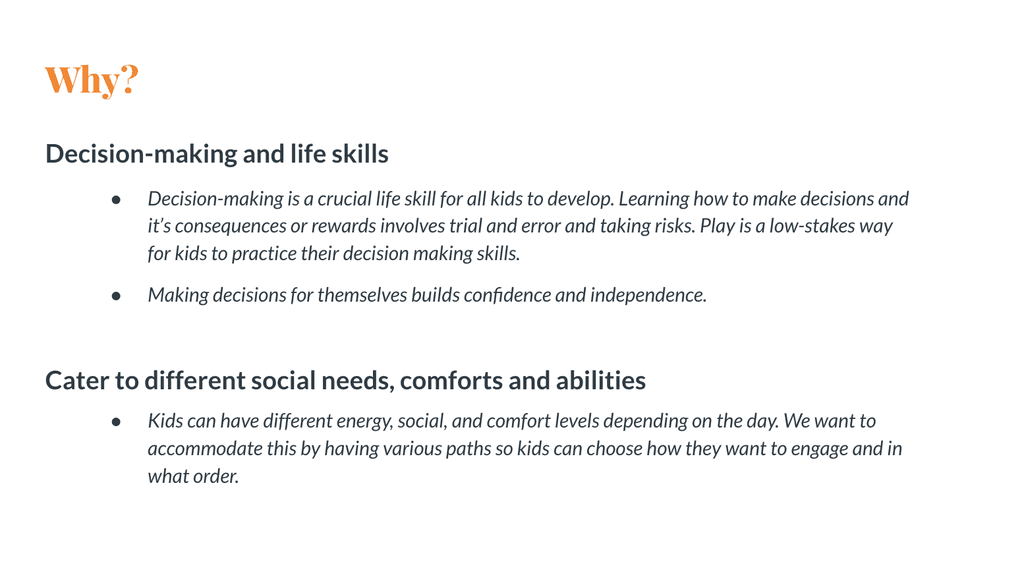
Different routes throughout the playspace so children can build confidence in making decisions and weighing rewards and risks.
A playspace with a recognizable form (concept of a dragon), while also being approachable by not making the dragon too literal.
"Ease in" and "quick exit" points that allow children to observe-first then decide when to join as well as decide when they want to exit.
Offering different activities and challenge levels.
Slide
Ramp
Climbing Net
Rocking Benches
Tactile Wall
Dragon's egg for rest/observation
Different routes throughout the playspace so children can build confidence in making decisions and weighing rewards and risks.
FINAL THOUGHTS
FINAL THOUGHTS
FINAL
THOUGHTS
This project combined my passion for designing impactful play experiences with my background in architecture and space-making. I also got to apply my skills in diversity, equity, inclusion, and accessibility programming in the creation of a product/experience. Through this class, I was challenged to view the world through the lens of a child again, which allowed me to connect with my younger-self and made me realized how important play is in a person's life even beyond childhood.
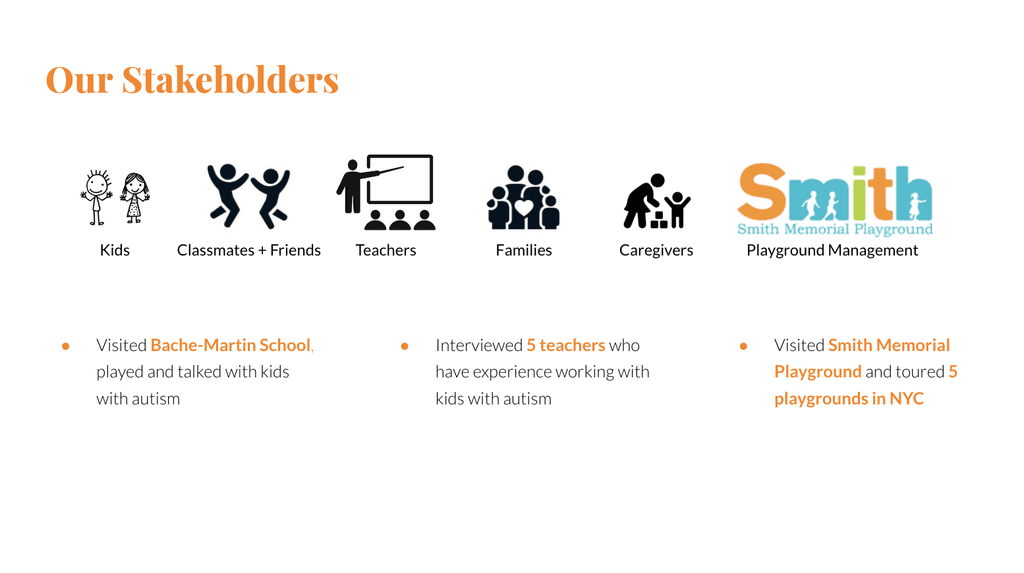
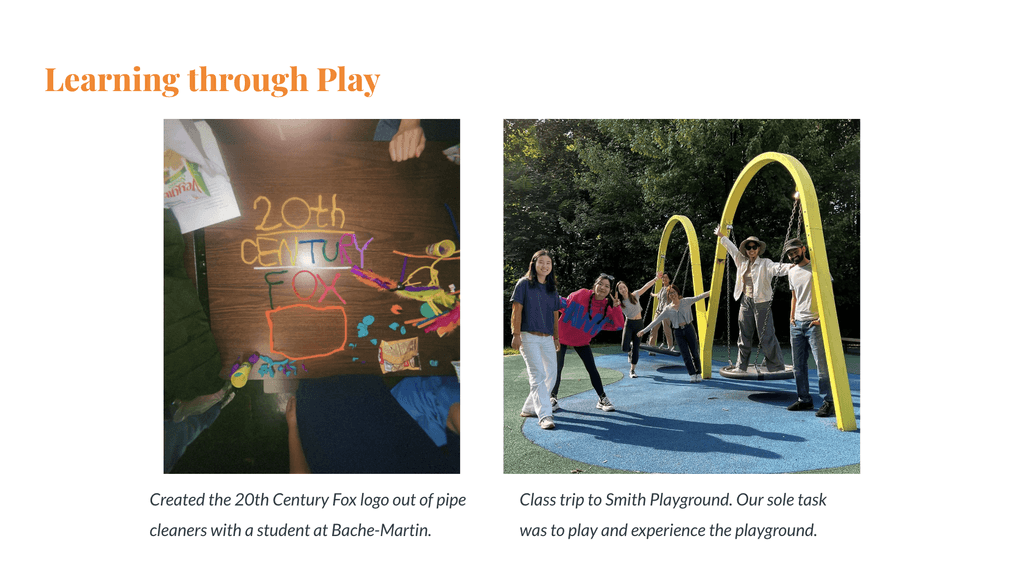
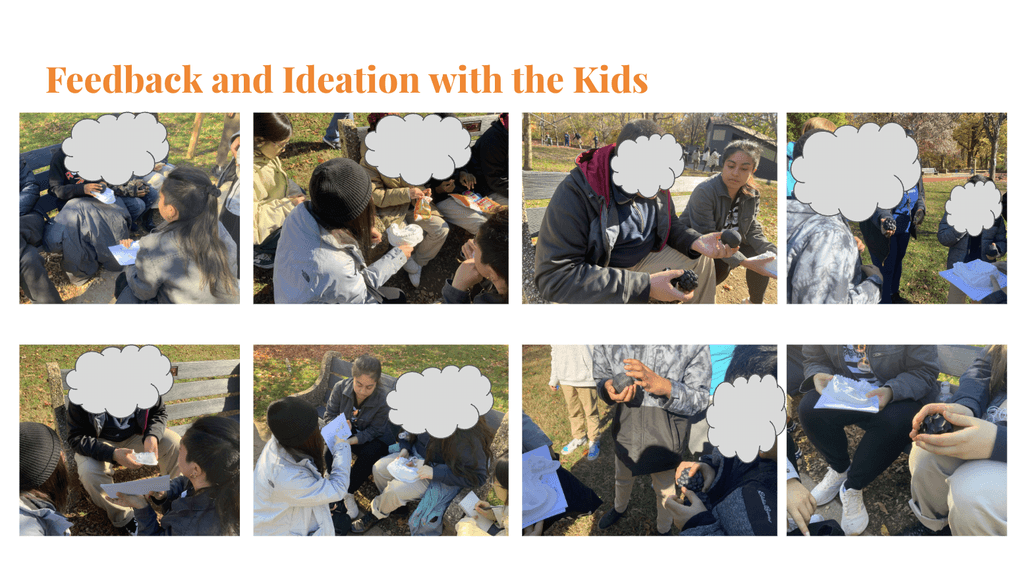
I loved getting to spend time and engage in play with the students at Bache-Martin. Through these visits, I learned how to adapt to communicate with students of different abilities and personalities. Including them in the co-creation process was so valuable in deciding key features of our "Sleeping Dragon" play experience.
I also enjoyed getting to work with students in the architecture program as it gave me the opportunity to lead in the design thinking process. I was able to apply what I had learned in the product design program to guide my team in the process of interviewing, creating insights and problem statements, and ideation and iteration. This project showed me how my background at the intersection of product design, architecture, and DEI can create a positive impact.
This project combined my passion for designing impactful play experiences with my background in architecture and space-making. I also got to apply my skills in diversity, equity, inclusion, and accessibility programming in the creation of a product/experience. Through this class, I was challenged to view the world through the lens of a child again, which allowed me to connect with my younger-self and made me realized how important play is in a person's life even beyond childhood.
I loved getting to spend time and engage in play with the students at Bache-Martin. Through these visits, I learned how to adapt to communicate with students of different abilities and personalities. Including them in the co-creation process was so valuable in deciding key features of our "Sleeping Dragon" play experience.
I also enjoyed getting to work with students in the architecture program as it gave me the opportunity to lead in the design thinking process. I was able to apply what I had learned in the product design program to guide my team in the process of interviewing, creating insights and problem statements, and ideation and iteration. This project showed me how my background at the intersection of product design, architecture, and DEI can create a positive impact.
BOSTON / NEW YORK
12:56 PM
BOSTON / NEW YORK
12:56 PM